Key takeaways
- Chimney leaks have several possible sources, and guessing is expensive.
- Flashing made of metal lasts far longer than tar or caulk.
- A cap and a good crown stop most water from entering at the top.
- Fix the entry point first, and seal the masonry afterward.
Where the water comes from
The usual suspects are the cap or its absence, a cracked crown, open mortar joints, porous or spalled brick, failed flashing and cracked flue tiles. Water can also come from condensation in an oversized flue, which can look just like a leak.
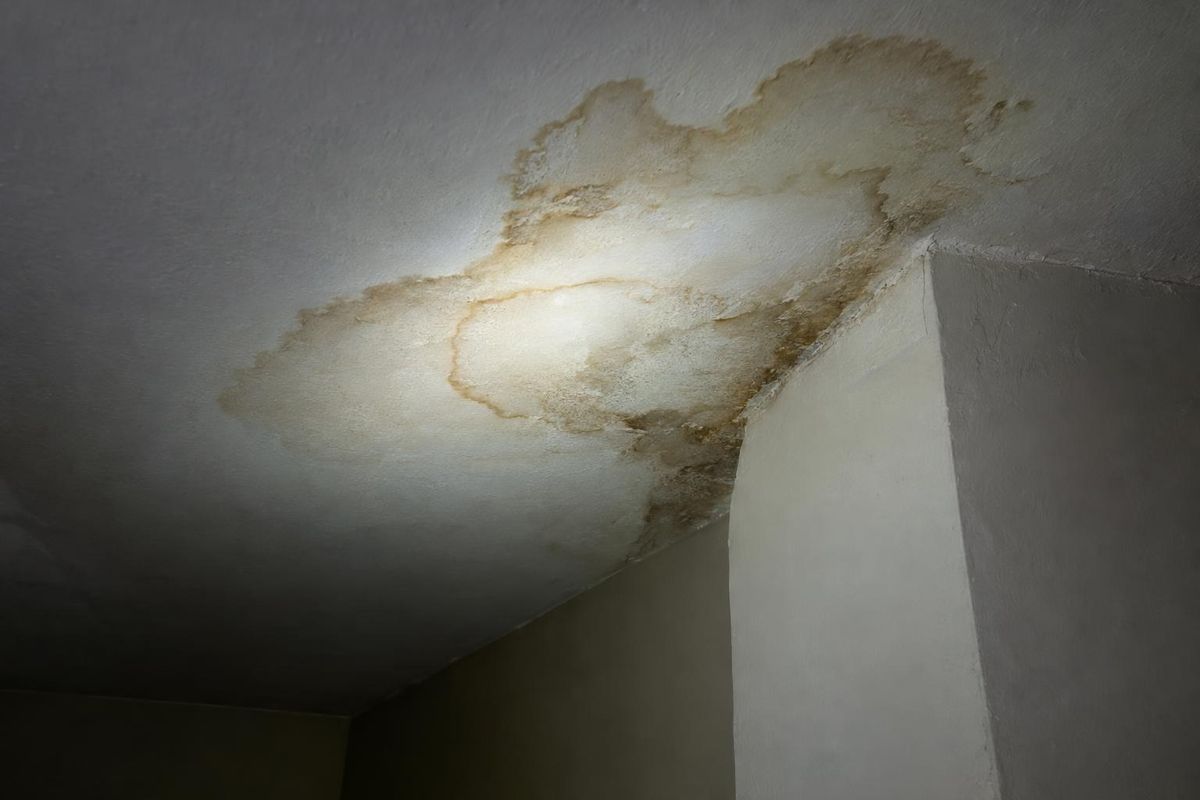
Because the stain inside the house is rarely under the entry point, a methodical search from the top down saves time and money.
What flashing does
Flashing is the metal that seals the joint between chimney and roof. Step flashing is woven into the shingle courses, and counterflashing is set into the mortar joints above it. Together they let water run down the roof without getting into the joint.
Tar and caulk are not flashing. They crack and pull away within a season or two, which is why leaks come back.
The cricket on wide chimneys
A chimney more than about 30 inches wide acts like a dam on the roof. Water and debris pile up against the uphill side. A cricket, a small peaked roof behind the chimney, splits the flow and sends it around.
Adding a cricket is a common fix for a leak that has come back after repairs.
The right order of repairs
Repair the crown, the joints, the flashing and the cap first. Then, if the masonry is sound, a breathable water repellent can help reduce absorption. A sealer applied over open joints only hides the problem.
After repairs, watch for staining the next time it rains hard, and call if it returns.
Official sites to explore
Brand names and logos belong to their owners. These links open the official websites in a new tab, and we are not affiliated with them.
- Brick Industry AssociationTechnical notes and design guidance on brick construction.
- Chimney Safety Institute of AmericaChimney safety information, inspection levels and homeowner guidance.
- National Fire Protection AssociationFire and life safety codes, standards and public education.
- National Weather Service NashvilleLocal forecasts, warnings and climate information for Middle Tennessee.
- University of Tennessee ExtensionResearch-based guidance for Tennessee homes, firewood and wildlife.
Quick answers
How can I tell a leak from condensation?
A water test and a look at the flue help. Condensation tends to follow cold weather and heavy use rather than rain.
Will sealing the brick stop my leak?
Not if the water enters through the flashing, crown or cap. Those need repair first.
Why does my chimney only leak in big storms?
Wind-driven rain finds weak points that light rain does not reach.