Key takeaways
- Creosote is a fuel, and heavy buildup is the leading cause of chimney fires.
- Dry, seasoned wood and enough air for the fire produce far less creosote.
- A chimney fire can be loud, or it can be quiet and still do damage.
- Working smoke and carbon monoxide alarms are part of fireplace safety.
What creosote is
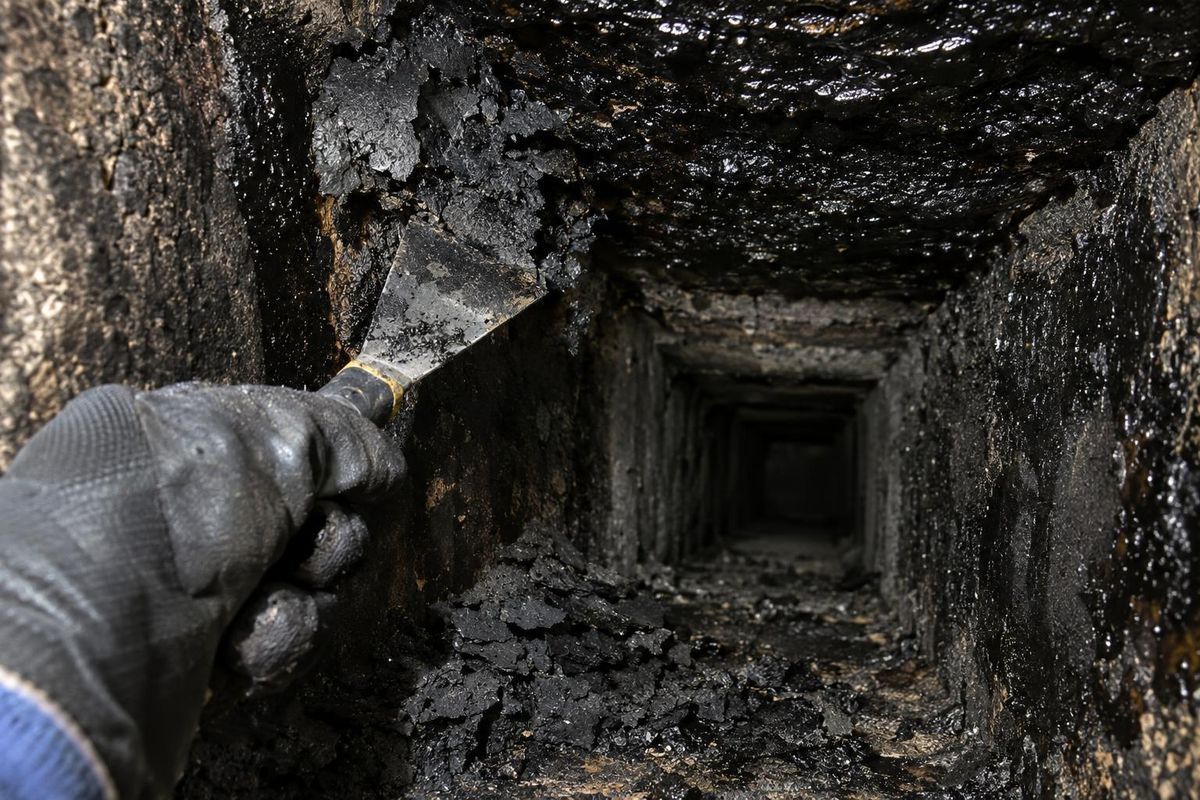
Creosote forms when wood smoke cools inside the flue and condenses. It starts as a light, flaky soot, can build into a tarry layer and can harden into a shiny glaze that is hard to remove. It is flammable, and it builds up fastest in cold flues, small flues and fires that smolder.
A thin dusting is normal. A thick layer is a hazard.
How to burn cleaner
Burn dry, seasoned hardwood that has been split and stored for many months. Give the fire enough air, avoid slow, smoldering fires and keep the flue warm. Never burn trash, painted wood, treated wood or cardboard.
The EPA's Burn Wise program has plain advice on seasoning wood and burning efficiently.
Chimney fires
A chimney fire can sound like a low rumble or a freight train, and you may see flames or dense smoke at the top. Some chimney fires are quiet and show up later as warped metal, cracked tile or damaged masonry. If you think you have one, get everyone out and call 911.
After any chimney fire, the chimney should not be used until it has been inspected, because the liner may be cracked.
Everyday fireplace safety
Use a screen, keep flammables away from the hearth, never leave a fire unattended and let ashes cool fully before disposal in a metal container kept away from the house. Make sure the damper is fully open before you light a fire.
Keep working smoke alarms and carbon monoxide alarms on every level, test them regularly and have the chimney swept and inspected every year.
Official sites to explore
Brand names and logos belong to their owners. These links open the official websites in a new tab, and we are not affiliated with them.
- EPA Burn WiseHow to burn wood cleaner and more efficiently.
- U.S. Fire Administration: Heating Fire SafetyFederal guidance on preventing fires from home heating equipment.
- National Fire Protection AssociationFire and life safety codes, standards and public education.
- Chimney Safety Institute of AmericaChimney safety information, inspection levels and homeowner guidance.
- U.S. Consumer Product Safety Commission: Carbon MonoxideCarbon monoxide safety and alarm guidance for homes.
Quick answers
How do I know if I have a lot of creosote?
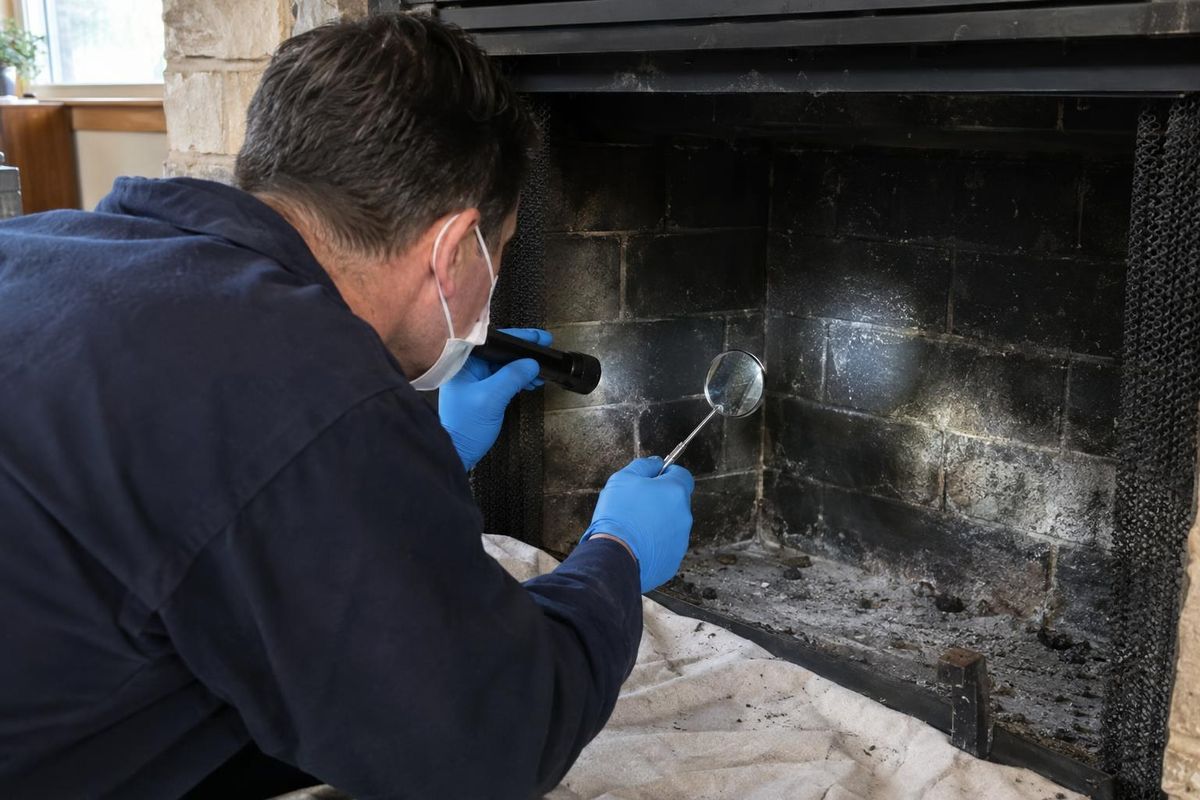
A flashlight can show some, but a camera shows more. Signs include tar-like drips, a shiny black coating and a strong smoky odor.
Is a chimney fire always obvious?
No. Some burn slowly and quietly and still damage the flue.
Can I clean creosote myself?
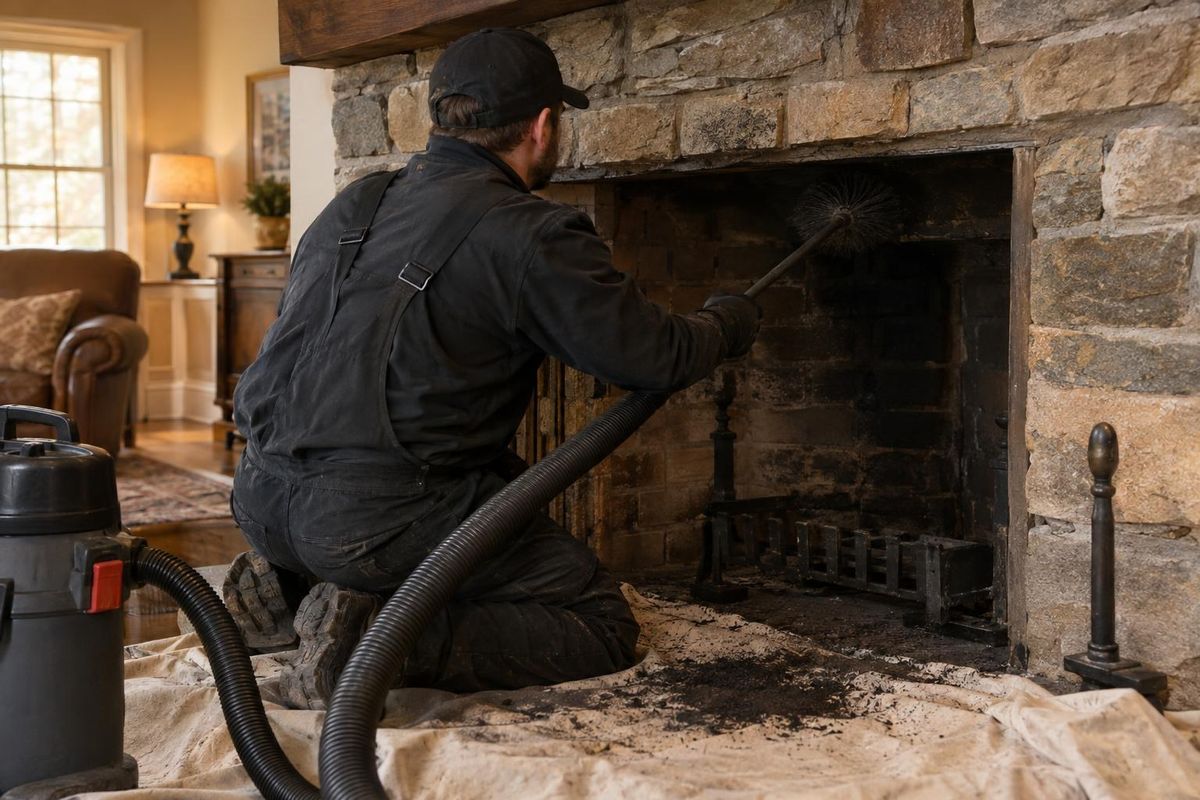
Light buildup can be swept, but hard glaze needs professional tools and treatments.