Key takeaways
- A liner protects the masonry from heat and exhaust and gives the flue a smooth, sealed path.
- Clay tile is common, but it can crack from heat and chimney fires.
- Stainless steel liners fit most chimneys and most appliances.
- The liner must be sized to the appliance.
What a liner is for
A flue liner keeps heat from reaching the framing around the chimney and keeps acidic exhaust from eating the masonry. It gives smoke a smooth, sealed passage so the draw works. A chimney without a sound liner can be unsafe even if it looks fine from outside.
Many older chimneys have no liner, and many have clay tiles that have cracked.
Clay tile liners
Clay tile has been used for generations and lasts a long time when treated gently. It is brittle, though, and it cracks with the thermal shock of a hot fire or a chimney fire. Tiles can also shift and leave gaps at the joints.
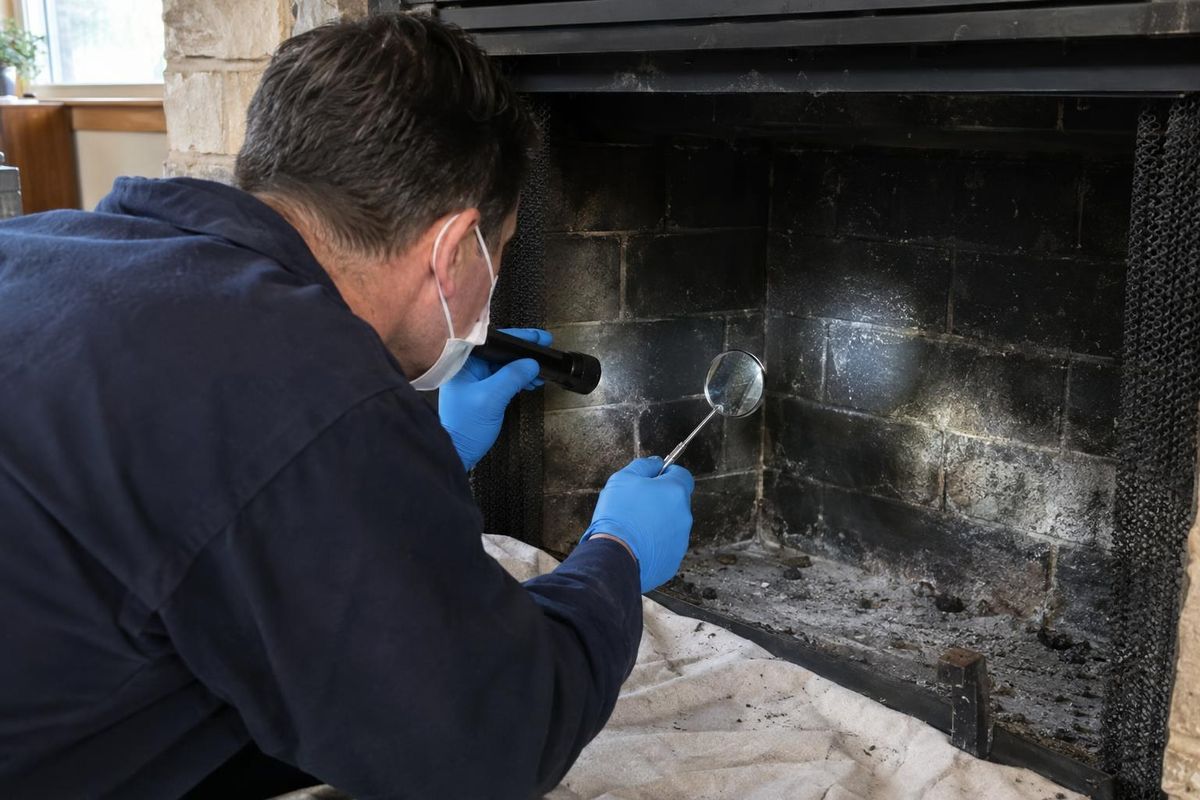
A camera inspection is the way to know the condition of a tile liner.
Stainless steel liners
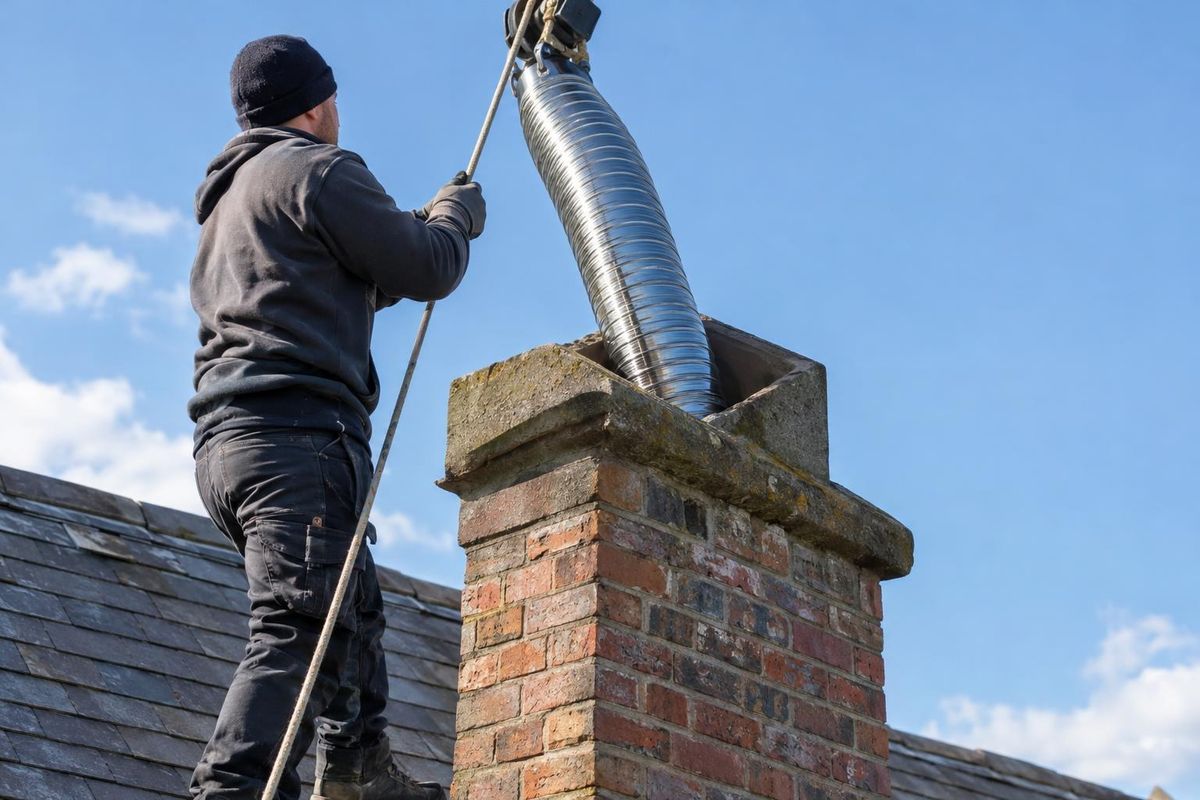
Stainless steel liners come as flexible or rigid pipe and can be insulated. They are lowered through the chimney, connected to the appliance and sealed at the top, and they fit chimneys with bends that tile cannot. They are the usual choice when relining and when installing inserts and stoves.
The grade of steel matters for the fuel being burned, so ask which fits your appliance.
Cast-in-place liners
A cast-in-place liner is a smooth, refractory lining formed inside the old flue. It is an option for odd-shaped or crooked chimneys and can strengthen the chimney as well.
Whichever type you choose, the liner must be sized to the appliance and installed to the manufacturer's directions.
Official sites to explore
Brand names and logos belong to their owners. These links open the official websites in a new tab, and we are not affiliated with them.
- Chimney Safety Institute of AmericaChimney safety information, inspection levels and homeowner guidance.
- Hearth, Patio & Barbecue AssociationIndustry information on fireplaces, stoves, inserts and safe operation.
- National Fire Protection AssociationFire and life safety codes, standards and public education.
- Brick Industry AssociationTechnical notes and design guidance on brick construction.
- University of Tennessee ExtensionResearch-based guidance for Tennessee homes, firewood and wildlife.
Quick answers
Does every chimney need a liner?
Every chimney should have a sound liner suited to its appliance.
Can a cracked clay flue be repaired?
Small cracks sometimes can, and larger damage usually calls for relining.
Which liner suits an insert?
A full-height stainless steel liner connected to the insert is the usual answer.