Key takeaways
- A chimney is a system of parts, and one weak part puts the rest at risk.
- Water entering at the top, the roofline or the joints is the most common cause of damage.
- The flue liner protects the masonry and the house from heat and exhaust.
- Many warning signs are visible without climbing on the roof.
The parts, from the bottom up
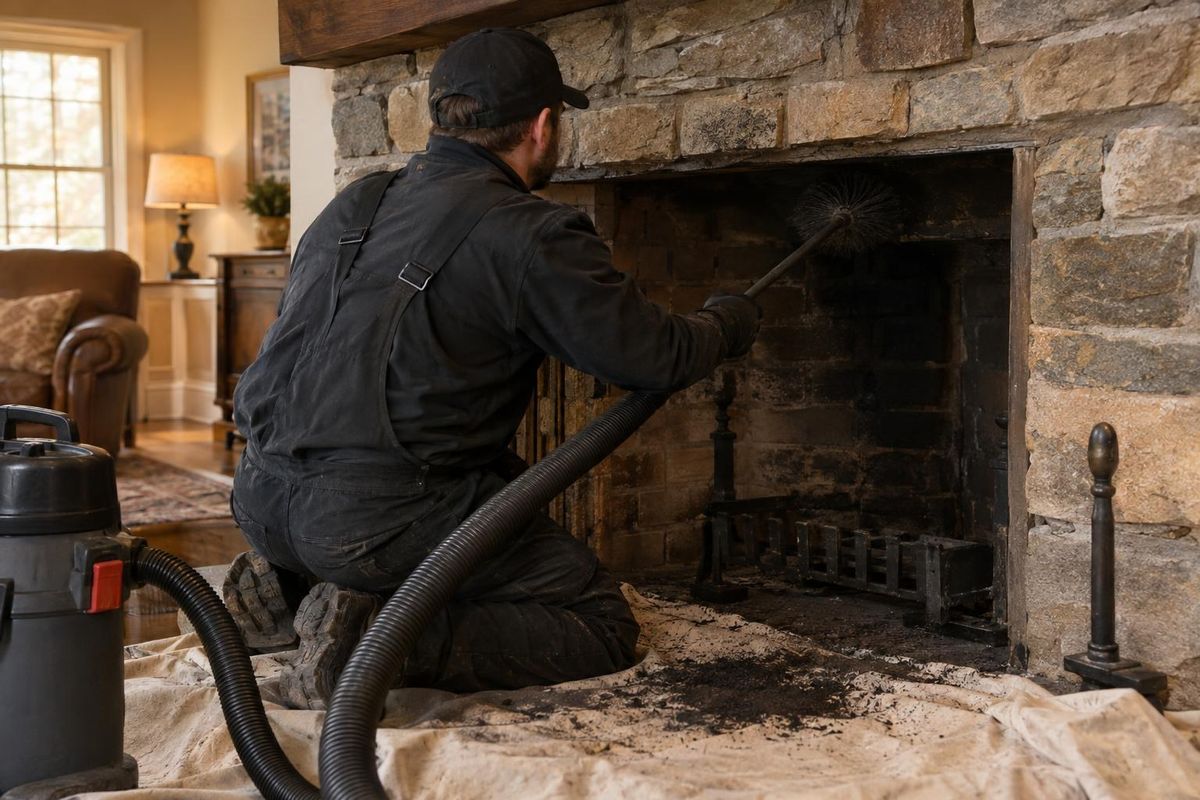
A masonry chimney begins with a footing, then the hearth and firebox where the fire burns. Above the firebox sits the damper, then the smoke chamber that funnels smoke into the flue. The flue, usually lined with clay tile or metal, runs up the center of the brick stack, and at the top there is a crown and often a cap.
Where the stack passes through the roof, flashing keeps rain out of the joint. Each part has a job, and the chimney works only if all of them do.
How chimneys fail
Water is the main enemy. It gets in through a cracked crown, an open joint, a loose flashing or a missing cap, soaks the brick, freezes and breaks it apart. Heat is the second: a cracked liner or a damaged firebox can let heat reach the framing. Time and use do the rest.
Around Nashville, the cycle of rain, freeze and thaw works on chimneys every winter, and exposed stacks are the first to show it.
Signs you can see from outside
From the yard, look for white staining on the brick, flaking or missing brick, crumbling mortar, a visible lean, rust on the cap or flashing, a cracked or crumbling crown and vegetation growing from the top. Any of these deserves a closer look.
Binoculars let you see a lot without a ladder, and a few photos over time show whether a problem is growing.
Signs you can see inside
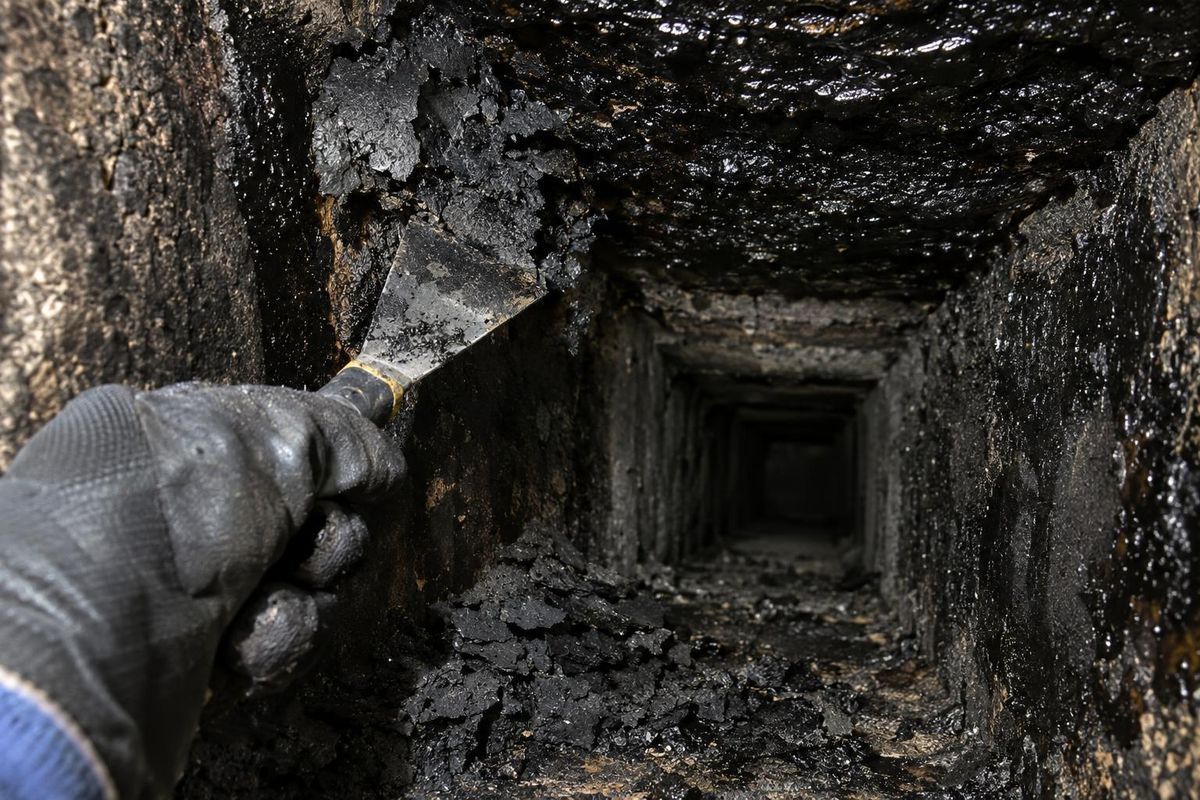
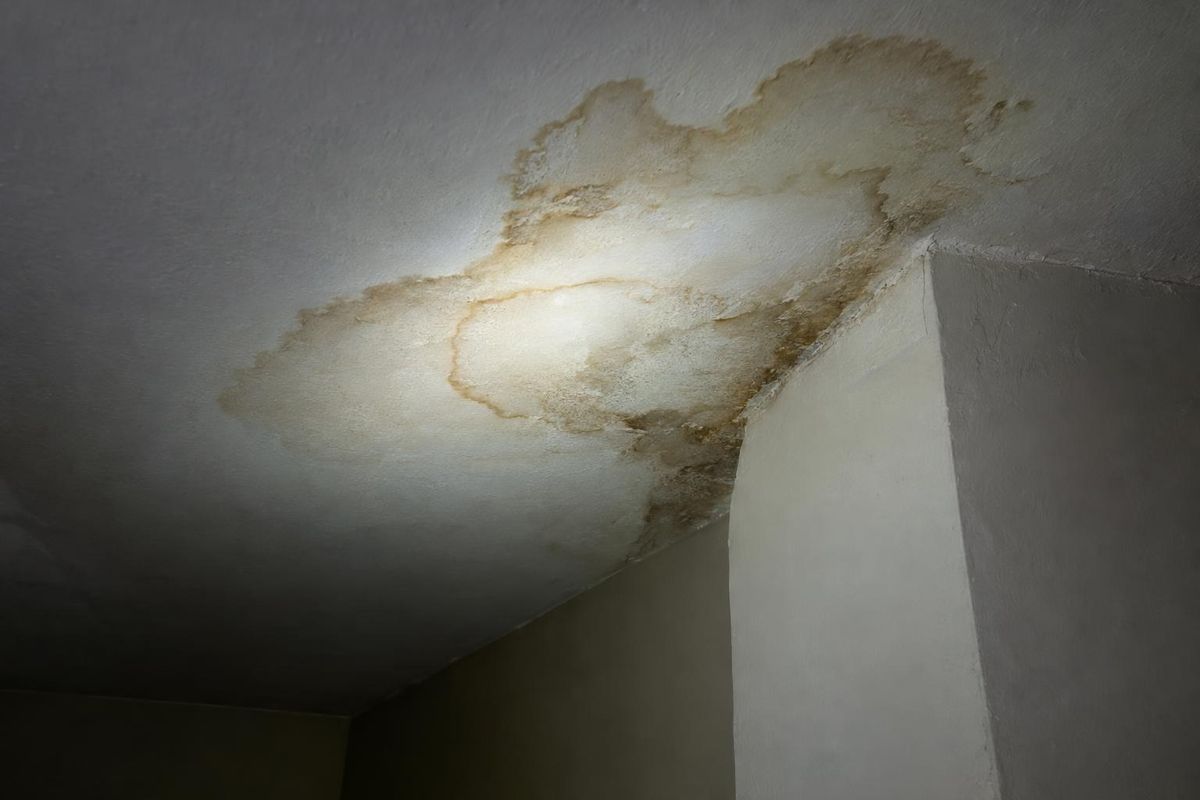
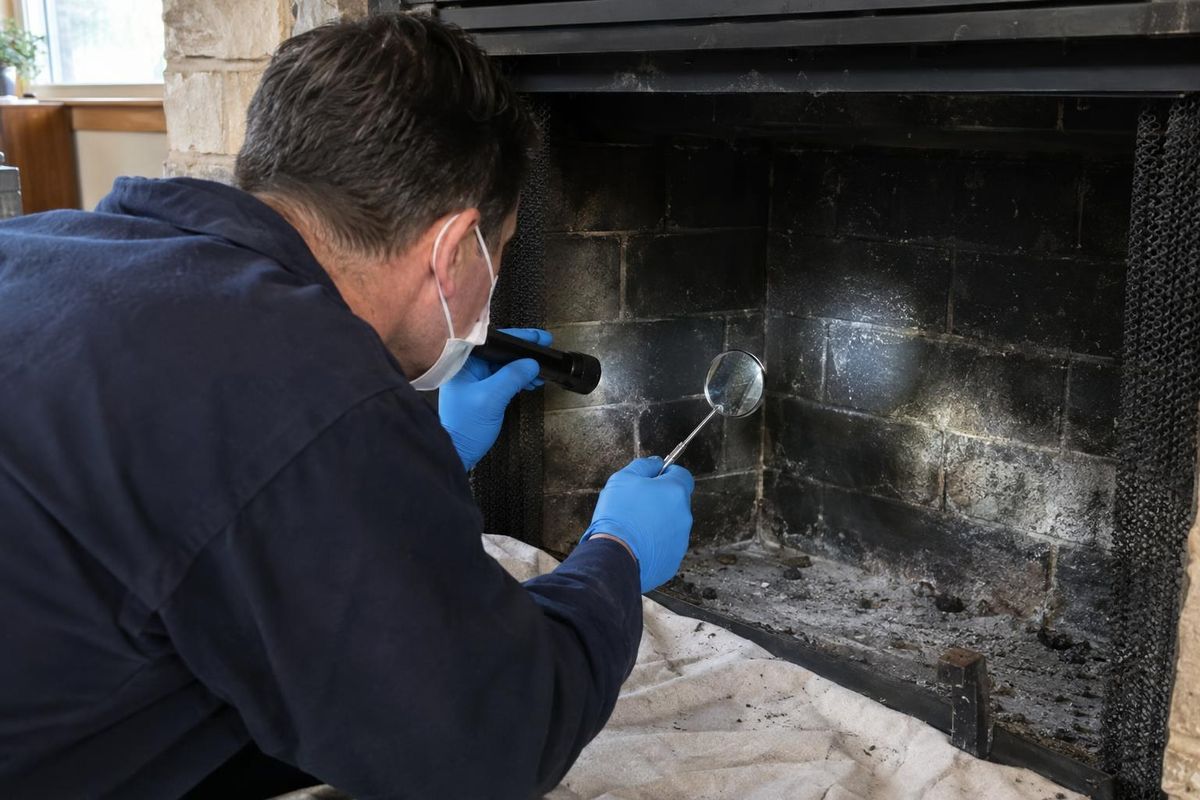
Inside, watch for smoke coming into the room, a strong smoky odor when the fireplace is not in use, water stains on the ceiling or wall near the chimney, rust in the firebox, flakes of creosote or a damper that sticks. A fireplace that does not draw well is telling you something.
A chimney professional can find the cause and explain it plainly.
Official sites to explore
Brand names and logos belong to their owners. These links open the official websites in a new tab, and we are not affiliated with them.
- Chimney Safety Institute of AmericaChimney safety information, inspection levels and homeowner guidance.
- Brick Industry AssociationTechnical notes and design guidance on brick construction.
- National Fire Protection AssociationFire and life safety codes, standards and public education.
- University of Tennessee ExtensionResearch-based guidance for Tennessee homes, firewood and wildlife.
- National Park Service: Technical Preservation ServicesPreservation guidance, including briefs on repointing historic masonry.
Quick answers
Do all chimneys have a liner?
Not all. Many older chimneys do not, and a liner is an important safety part.
Is white staining on brick a problem?
It is efflorescence, a salt left when water moves through the masonry. It signals water that should be traced.
Can I check my own chimney?
You can look from the ground and from inside the house. Roof and flue work should be left to professionals.