Key takeaways
- Spring is the time to look for winter damage.
- Summer is a good time for repairs and installs, with dry weather and open schedules.
- Fall is the time for the yearly sweep and inspection, before the first fire.
- Winter care is about burning well and watching for problems.
Spring
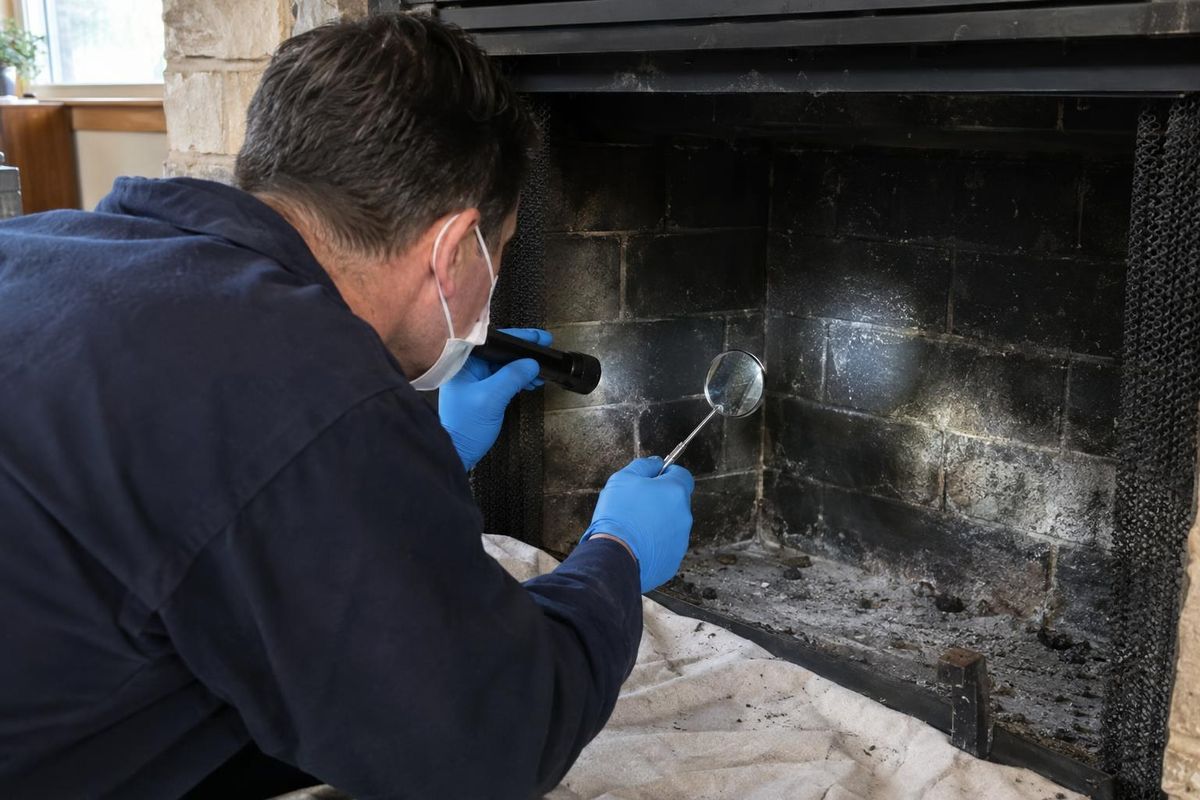
After the season ends, look at the chimney from the ground for new cracks, loose brick, rust and a damaged cap. Check the ceiling and walls near the chimney for stains. Have a camera inspection if the fireplace smoked or smelled this winter.
Spring is a good time to book repairs, because the schedule is open and the weather is mild.
Summer
Summer humidity can bring musty smells down a chimney that has no cap or damper seal. It is also the season for repairs that need dry weather, such as crown work, repointing, waterproofing and new flashing. Have the dryer vent cleaned while you are at it.
Animals nest in warm months, so a cap pays off.
Fall
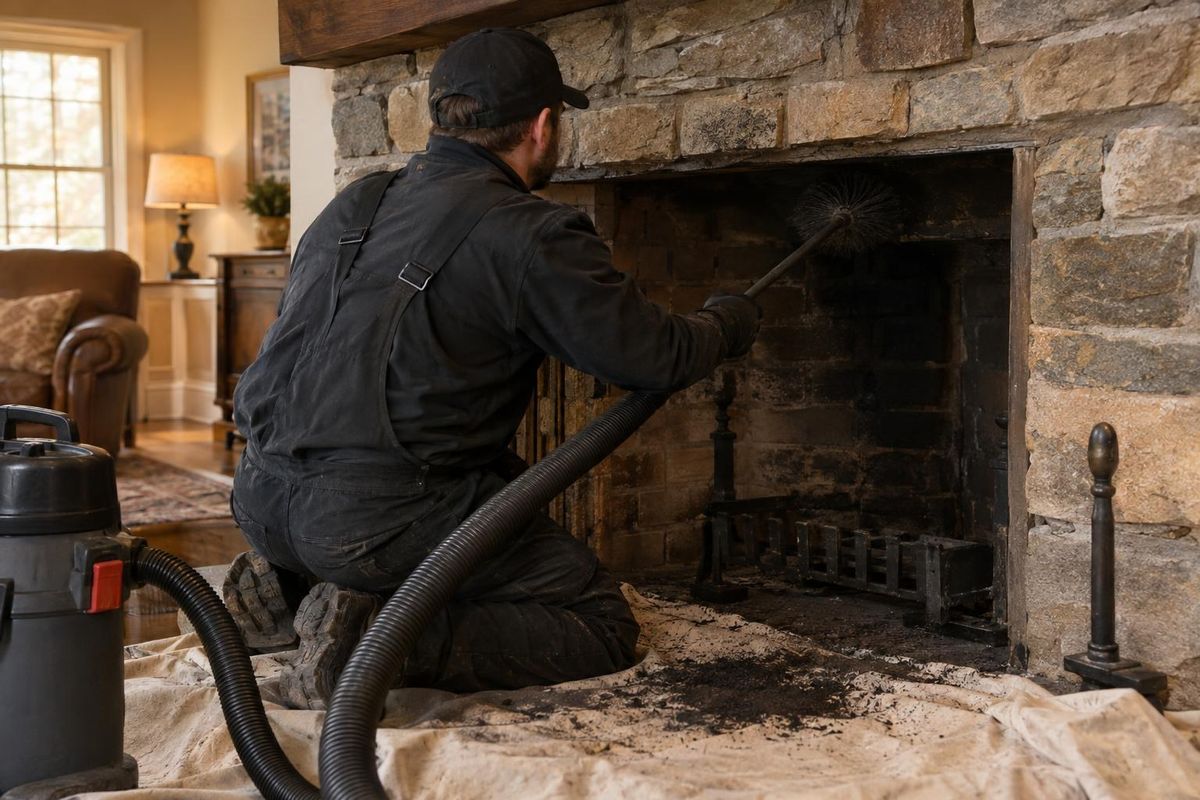
This is the busy season, so book early. Have the chimney swept and inspected before the first fire. Test your smoke and carbon monoxide alarms, stock dry, seasoned wood and check that the damper opens and closes.
Never light a fire in a fireplace that has not been checked after a long idle period.
Winter
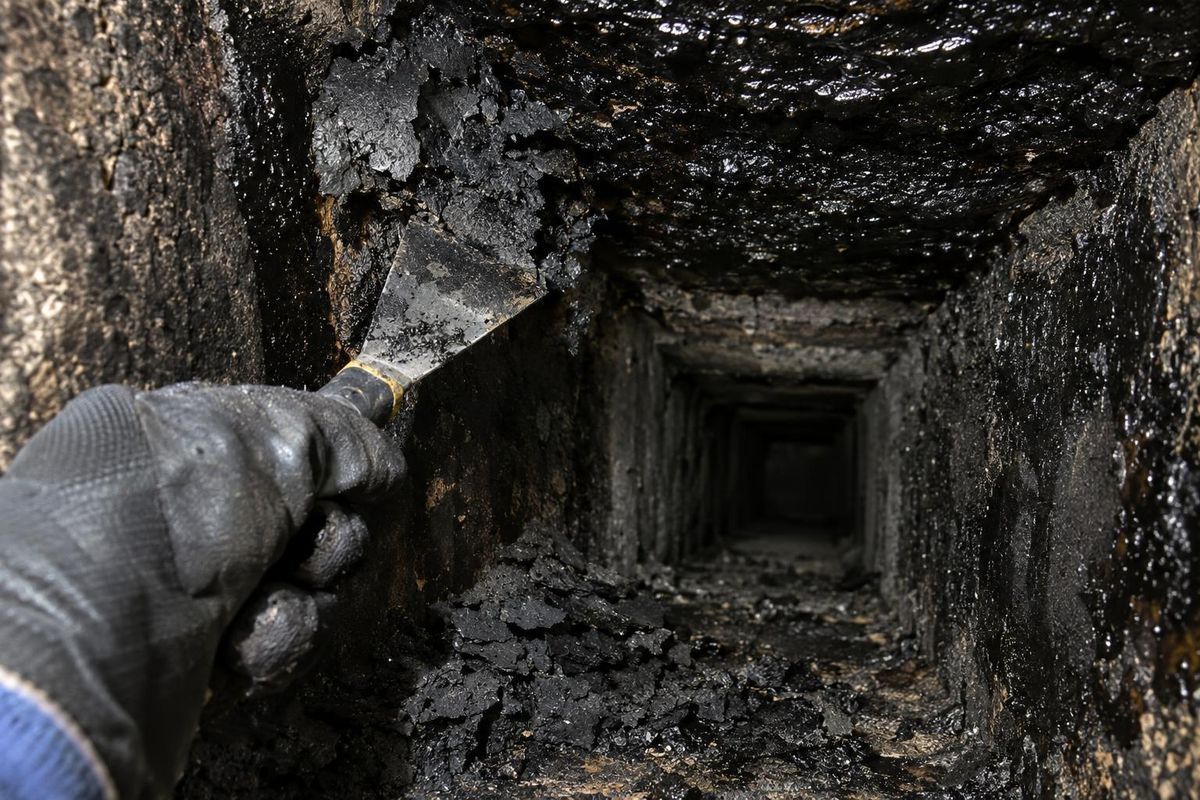
Burn dry wood with enough air, keep the glass and the hearth clean and do not let ash pile up. Watch for smoke in the room, odd smells and water stains, and call if you see any. After an ice storm or high winds, look at the chimney top from the ground.
If you burn heavily, schedule a mid-season sweep.
Official sites to explore
Brand names and logos belong to their owners. These links open the official websites in a new tab, and we are not affiliated with them.
- National Weather Service NashvilleLocal forecasts, warnings and climate information for Middle Tennessee.
- Chimney Safety Institute of AmericaChimney safety information, inspection levels and homeowner guidance.
- EPA Burn WiseHow to burn wood cleaner and more efficiently.
- U.S. Fire Administration: Heating Fire SafetyFederal guidance on preventing fires from home heating equipment.
- University of Tennessee ExtensionResearch-based guidance for Tennessee homes, firewood and wildlife.
Quick answers
When is a good time to schedule a sweep?
Late summer or early fall, before the heating season rush.
Do I need a sweep every year if I rarely use the fireplace?
A yearly inspection is still smart. Sweeping is based on use.
Should I cover my chimney in summer?
A cap with a good screen does the job. A top-sealing damper also helps.